That’s how it fits together!

leisten_querschnitt-2

The 3D printed last
For orthopedic and custom shoes

The fastest way to your custom last starts with Dreve!
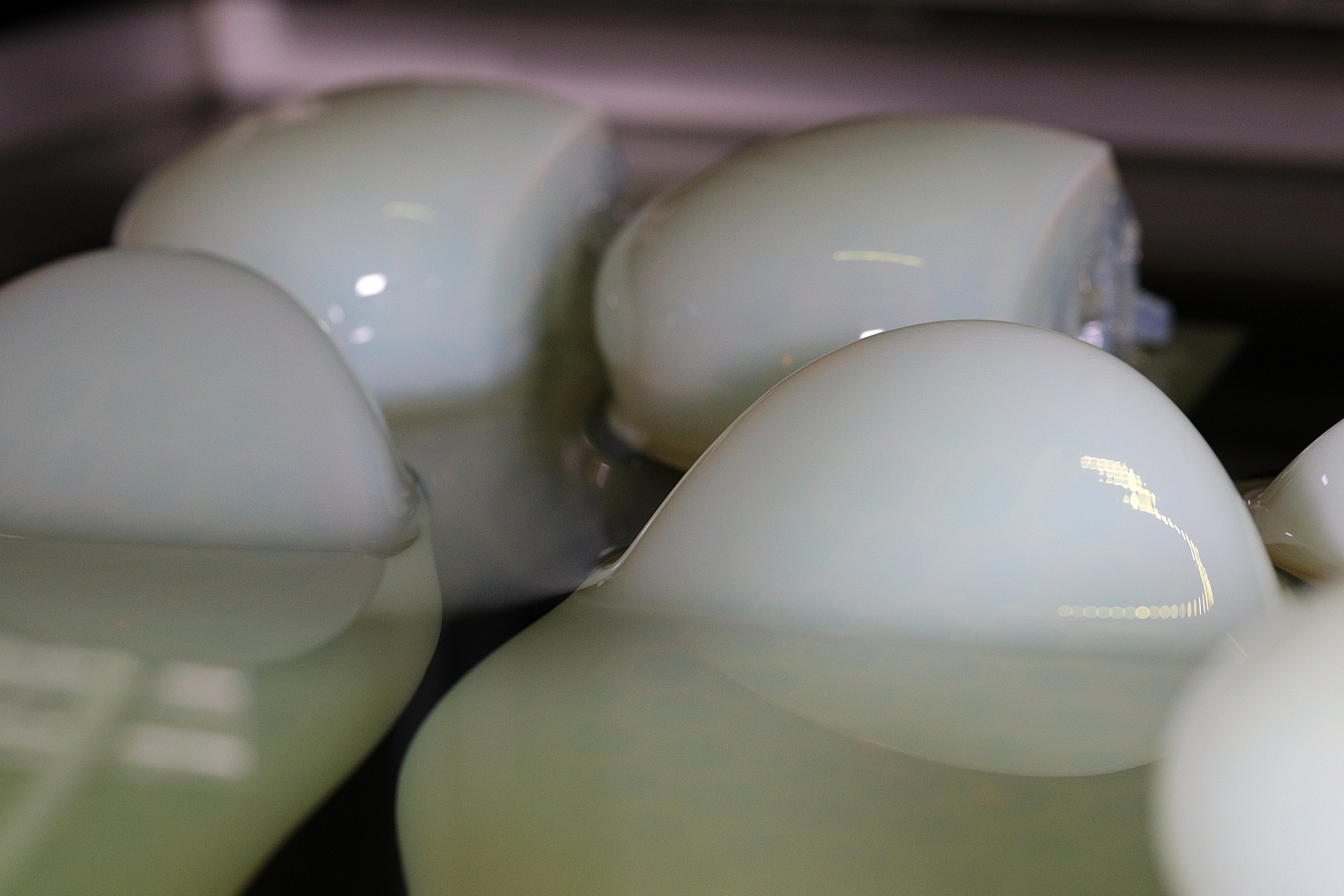
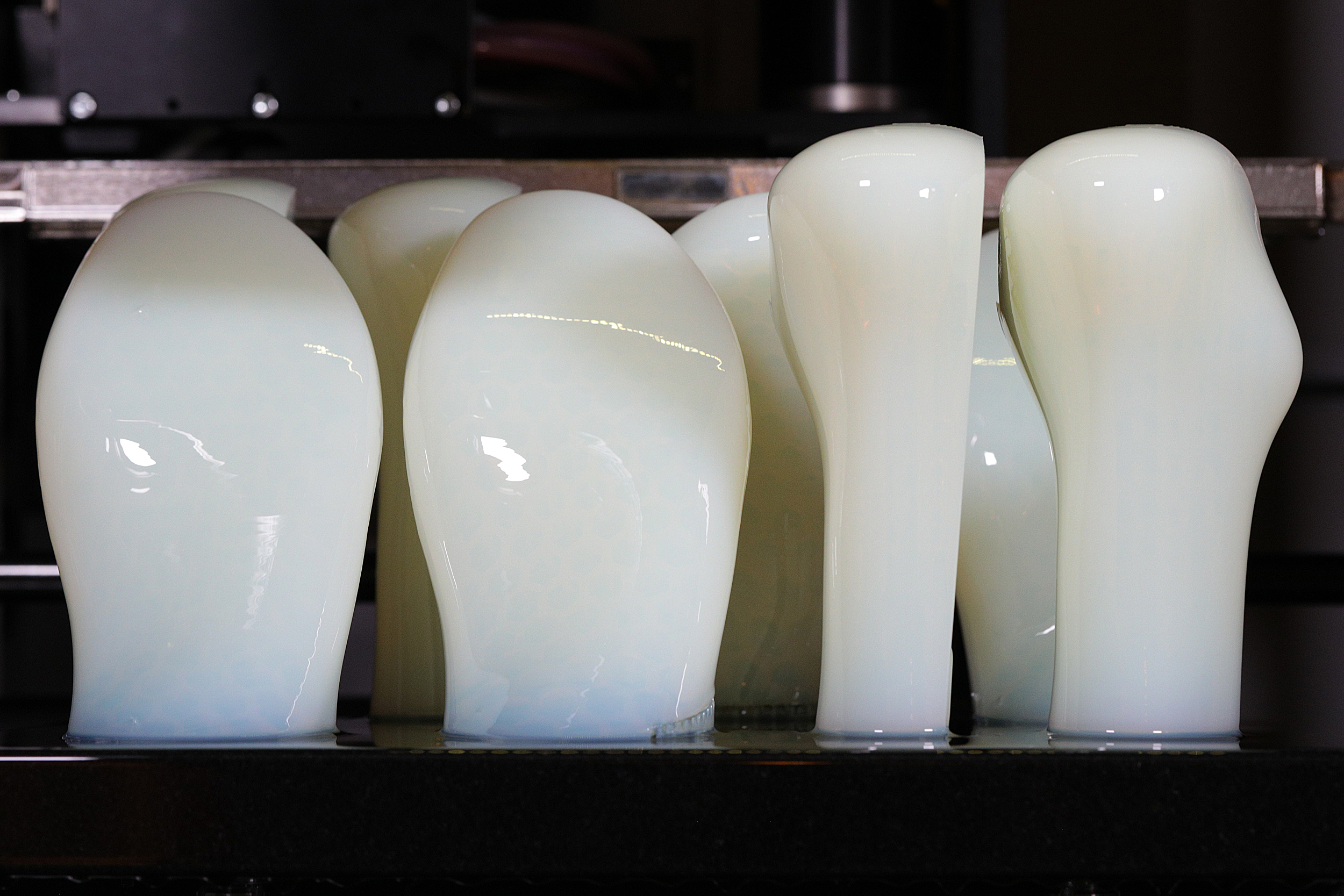
Our high-performance 3D printing systems deliver continuous industrial-grade quality in terms of precision, build volume, material, and process flexibility. Resin-based lasts are delivered faster than wooden ones – with no compromise when it comes to further processing.

pfeil

Precise

waben

Material-efficient

nachhaltig

Short delivery time

1front
4D7A5655-4
4D7A5655-3

Properties

belastung
Load-bearing capacity
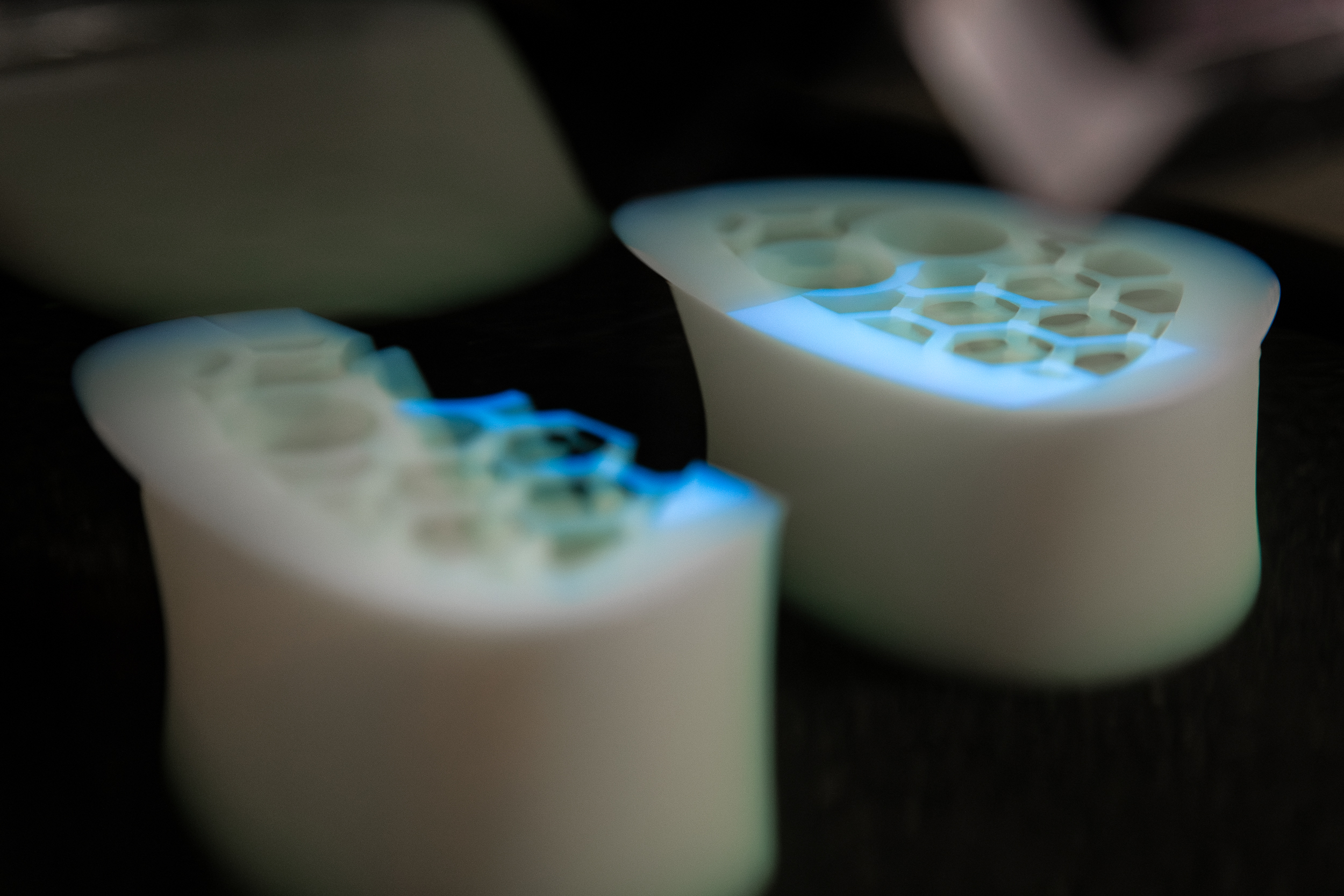
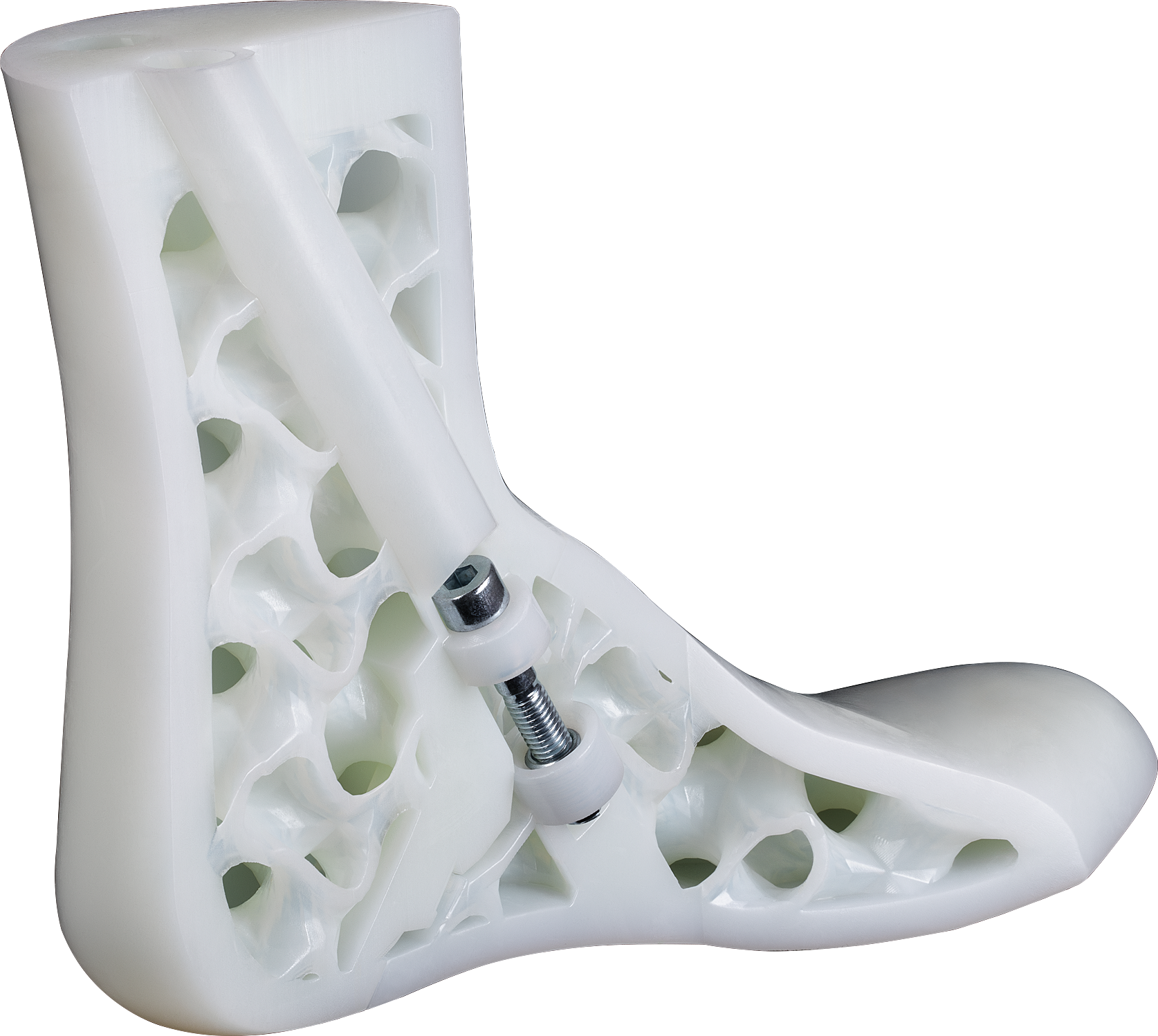
One of the key requirements for a shoe last is its resistance to mechanical stress — particularly during the sole-forming process, where forces can be extremely high. Dreve’s 3D printed last offers maximum stability, even under localized pressure. An internal honeycomb structure ensures the necessary strength while keeping the last pleasantly lightweight.
schleifen
Grinding and shaping
If individual adjustments to the last are needed, material removal is a crucial step in the process. Using belt or flap sanders, material is removed with machine power – generating both significant abrasion and heat. Dreve’s 3D printed last is optimized for precisely these conditions. The material has minimal thermoplastic properties, allowing for clean grinding without smearing or rapid clogging of the abrasives. Sufficient wall thickness prevents the internal structure from being exposed during the grinding process.
spachteln
Filling and bonding
The best possible individualized care for each patient is the goal of every custom orthopedic shoe. To achieve this and ensure a comfortable fit, the last may need to be modified early in the production process. Despite highly accurate scans, potential pressure points – which may only become apparent during the fitting of a trial shoe – are not always predictable. In such cases, the last can be built up and reshaped using filler material or cork strips. Dreve’s 3D printed last is fully compatible with these commonly used materials. Both fillers and cork adhere exceptionally well to the resin surface and can be shaped and sanded to create a seamless, non-perceptible transition to the rest of the last.
tiefziehen
Thermoforming
To produce a perfectly fitting custom shoe, trial fitting using a transparent test shoe is a well-established method. This allows orthopedic shoemakers to identify pressure points and assess the general fit. The test shoe is traditionally made using a thermoforming process, in which a plastic sheet is heated until pliable and then vacuum-formed over the last.
The 3D printed last from Dreve easily handles the heat transferred during this process, absorbing and dissipating it effectively. Once the film cools, the last can be removed effortlessly and is immediately ready for further shoe fabrication.
tackern
Stapling
For efficient progress during production, working with pneumatic staplers on the last is essential. The material must allow the staples to be driven in with ease, while also permitting their clean removal. Ideally, the last should retain its stability so that new staples can be applied again – for example, during the production of a second shoe. Dreve’s 3D printed last meets these requirements. The material’s optimized properties, combined with a standard wall thickness of 8 mm, ensure that staples hold securely while still being easy to remove – without damaging the structure.
nagelbar
Nailing
Custom shoes must meet the highest quality standards to ensure optimal patient care. That’s why premium materials like fine fabrics and leather are often used. During the shaping of the shoe upper, the chosen material is pulled over the last and fixed to its underside using nails. These nails must go in easily and hold the upper firmly in place – yet still allow for clean removal. The Dreve 3D printed last meets this demand. The adapted wall thickness provides reliable nail retention, while the material parameters are tuned to allow easy removal with minimal surface damage.
verbindung_2-2
High-strength connection
Dimensional accuracy throughout the manufacturing process is critical to ensuring an optimal fit for the patient’s foot. To maintain maximum stability at the joints of a multi-part last, Dreve’s 3D printed last is equipped with a high-strength connection system consisting of two key components. The first is a stepped separation cut, which allows stress to be distributed across a wide surface area between the two last sections. The second component is a screw-insert element embedded in the internal honeycomb structure during the modeling process, which securely holds the parts together. In the front part of the last, two stainless steel threaded inserts are typically embedded. These hold M8 stainless steel screws used to join the parts firmly together. For higher, three-part leg lasts, the same screw-connection system is applied. The combination of both connection elements results in a form-fitting, highly durable connection. The use of stainless steel ensures wear-free assembly and disassembly over time.
langzeit
Long-Term dimensional stability
Long-term stability and durability are essential for producing multiple pairs of custom shoes over extended periods without compromising fit or quality. Wood can be sensitive to changes in temperature and humidity, and 3D printed lasts from other manufacturing methods often absorb moisture, leading to deteriorated mechanical performance. Dreve’s 3D printed lasts, made from light-curing resin, are not subject to these limitations. Even after years of use, they retain their original strength and dimensional accuracy – just like on day one.
neudruck-2
Reprinting and digital flexibility
All lasts produced by Dreve’s 3D printing process must exist in digital form. These digital files can be created in a variety of ways – including direct digital scanning, scanning of plaster casts, or modeling based on manually taken measurements. The advantages of digital lasts are clear: they can be stored for decades without taking up physical space, and they can be reprinted immediately in the event of loss, damage, or required adjustments. Modifications to individual areas can also be made easily. This digital workflow simplifies data handling and optimizes the management of extensive patient records.

What can we do?

All lasts produced by Dreve using the DLP 3D printing process must be provided in digital form. These digital files can be created in various ways: through direct digital foot scans, by scanning a plaster cast, or by generating a last based on manually taken measurements – all common and proven methods.

Working closely with our partners, we then create the print-ready file. You remain in full control: each job is reviewed and approved by you in a brief video call before printing begins. It doesn’t get more secure than that!

Maximum flexibility: There are no limitations regarding the size of the last. The white models are printed from light-curing resin with a precision of ± 0.1 mm. A steel insert with a metric M8 thread ensures a solid connection between components.

schuhe-1

Shoe sizes

no limitations

praezision_2

Precision

± 0.1 mm

schraube_2

Connection

M8 steel thread

kg_2

Weight

approx. 750 g

pinsel_2

Color

Seashell

Our experts

Choosing 3D printing is an innovative step in your entire workflow. However, the initial setup and implementation can sometimes be a challenge, especially for beginners. Our experts in additive manufacturing and 3D printing are happy to assist you on your journey. We will guide you competently through the process.
For over seventy years, Dreve has been known for high-quality and reliable products in medical applications. As a manufacturer of medical devices, one thing is most important to us: the complete satisfaction of our customers. 

That’s why our experts provide genuine added value for you – whether you are an experienced user of digital technologies or an ambitious beginner. Feel free to reach out to us anytime!